



















Introduction
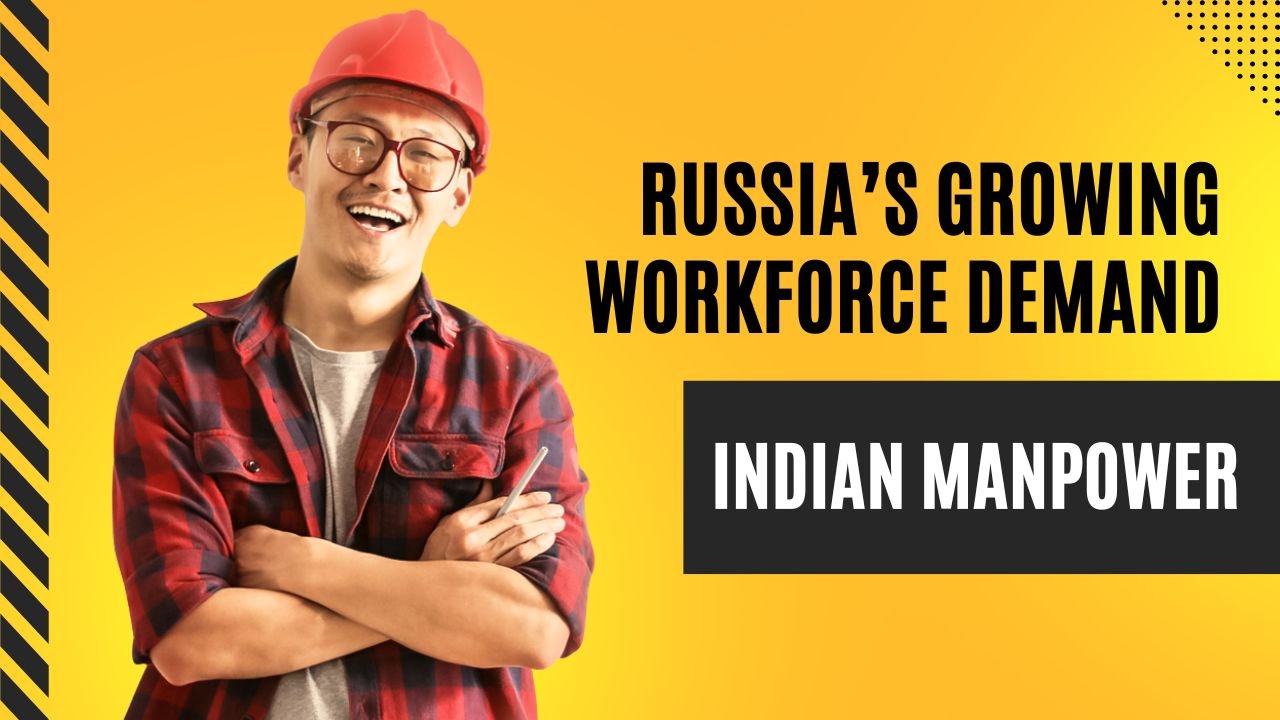
The global employment landscape is rapidly evolving, and one of the most significant developments is the rising demand for skilled and semi-skilled workers in Russia. According to recent reports, Russia is expected to require around 11 million workers by 2030, creating a massive opportunity for international recruitment—especially for India.
This demand opens new doors for Manpower services, positioning India as a key supplier of workforce talent. With strong diplomatic ties and a long-standing trade relationship, India and Russia are now moving toward structured workforce collaboration, creating a win-win situation for both nations.
Why Russia Needs a Massive Workforce
Russia is currently facing a serious labor shortage due to several factors:
- Aging population and declining birth rates
- Retirement of millions of workers
- Economic expansion and industrial demand
- Impact of global geopolitical conditions
Reports indicate that Russia may need to replace over 10 million retiring workers while also filling new job roles in sectors like manufacturing, construction, and services.
Additionally, industries such as textiles, agriculture, and infrastructure are already experiencing workforce gaps, pushing Russia to look for international manpower solutions.
India: A Trusted Manpower Partner
India has long been recognized as a global hub for skilled and semi-skilled talent. With a large working-age population, India is well-positioned to meet global workforce demands.
A significant development in this direction is the India-Russia labor mobility agreement, which aims to facilitate legal migration and ensure worker protection.
This agreement highlights:
- Easier recruitment processes
- Legal protection for Indian workers
- Expansion of manpower opportunities
- Strengthening of bilateral relations
Such initiatives reinforce India’s role as a leading Manpower agency in India for global employment needs.
Strong India-Russia Relations: A Foundation for Growth
India and Russia share decades of strong diplomatic, economic, and strategic relations. From defense partnerships to energy trade, both nations have consistently supported each other on global platforms.
The collaboration in manpower recruitment is a natural extension of this relationship. As old trade partners, both governments are working together to ensure:
- Ethical recruitment practices
- Secure employment opportunities
- Skill-based workforce deployment
- Mutual economic growth
This cooperation strengthens the role of every Global recruitment agency in bridging the workforce gap between the two countries.
Opportunities Across Multiple Industries
Russia’s workforce demand is not limited to a single sector. There is a wide range of opportunities for Indian workers across industries:
1. Manufacturing & Industrial Sector
Russia’s expanding industrial base requires:
- Machine operators
- Technicians
- Assembly workers
2. Construction & Infrastructure
Large infrastructure projects demand:
- Skilled labor
- Electricians
- Welders
- Civil workers
3. Hospitality & Service Industry
With growing tourism and urbanization:
- Hotel staff
- Housekeeping professionals
- Support staff
4. Agriculture & Food Processing
Indian workers are already contributing to:
- Farming operations
- Food packaging units
These opportunities highlight the importance of reliable manpower recruitment services to connect skilled Indian workers with global employers.
Role of Manpower Agencies in India
The increasing demand from Russia has significantly boosted the importance of professional staff recruitment agency services.
A trusted manpower agency in India plays a crucial role by:
- Screening and selecting qualified candidates
- Conducting background verification
- Managing documentation and visa processes
- Ensuring compliance with international labor laws
- Providing pre-departure training and support
Companies like LDs Global Manpower specialize in offering end-to-end manpower services, ensuring smooth and reliable recruitment for international clients.
Benefits for Indian Workforce
This global demand brings several advantages for Indian job seekers:
- Better salary packages compared to domestic jobs
- International work exposure
- Skill development opportunities
- Improved standard of living
Many Indian workers are already benefiting from employment opportunities in Russia, especially in sectors where local workforce availability is limited.
Why Businesses Should Partner with a Global Recruitment Agency
For Russian companies and international employers, working with a professional Global recruitment agency offers several benefits:
- Access to a large talent pool
- Faster hiring process
- Reduced recruitment risks
- Compliance with legal frameworks
- Cost-effective workforce solutions
With structured recruitment channels, businesses can ensure high-quality hiring while maintaining operational efficiency.
Future Outlook: A Long-Term Collaboration
The demand for manpower in Russia is not a short-term trend but a long-term structural requirement. With projections extending to 2030, the need for international workforce will continue to grow.
India’s demographic advantage, combined with strong bilateral relations, positions it as a long-term partner for Russia’s workforce needs. The collaboration between both nations is expected to:
- Increase employment opportunities
- Strengthen economic ties
- Promote skill exchange
- Boost global recruitment networks
Conclusion
Russia’s requirement of millions of workers by 2030 presents a significant opportunity for India’s manpower industry. With government-backed agreements and strong diplomatic relations, the pathway for workforce mobility has become more structured and secure.
For businesses, partnering with a reliable manpower agency in India ensures access to skilled talent and seamless recruitment processes. For job seekers, it opens doors to global career opportunities.
As the demand continues to rise, professional manpower recruitment services and staff recruitment agencies will play a crucial role in connecting talent with opportunity—making this a defining moment for global workforce collaboration.